

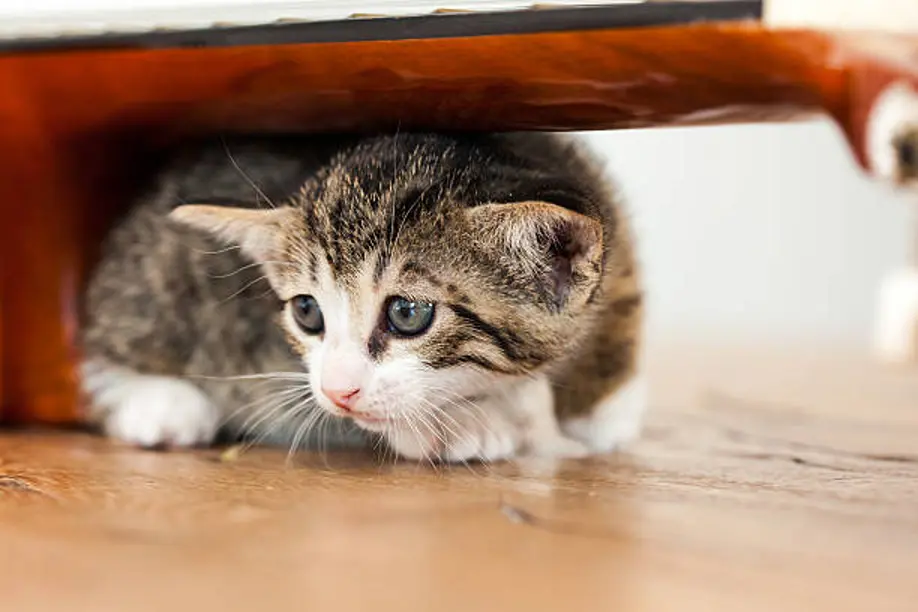
If your cat hates going to the vet, you are not alone. This is one of the main reasons that owners report stress when it comes to seeking veterinary care. For some, it is an obstacle that means their cat may go years between vet visits.
If your cat is scared of the vet or you have a cat that will not go in their carrier, a house visit may be a good solution. At-home veterinary care enables a lower stress visit from the comfort of your home, with no need to use a cat carrier.
Will a vet entering the home still frighten my cat?
For most cats, the experience of having a visitor to the home is not unusual. Some take it in their strife and cope well, while others will find it a bit worrying. Many cats will be keen to hide away until they feel more comfortable with the scent and sight of the new arrival.
Should I keep the cat in one room beforehand?
As cats do typically want to hide away when there is someone new in the home, it saves everyone time if you can keep them contained before the visit. This room should not be too big or full of hiding spaces, and it is also best if it is well lit.
It is best not to keep your cat in this room for too long, if they feel contained or anxious. However, having them in the room for 15 minutes or so beforehand, should ensure they are ready for the vet.
What if the cat hides?
If your cat does hide, the best thing to do is to try and scoop them out quickly and confidently and to move them somewhere with no hiding spots. It can be a good idea to block hiding spots off with baby gates or chairs, the night before the vet visit is scheduled.
For cats reluctant to come out, tempting them with their favourite treats can be a great way to encourage them out.
Can an examination, vaccination or blood test be performed at home?
Absolutely, these are all great examples of what can be done from the comfort of your home.
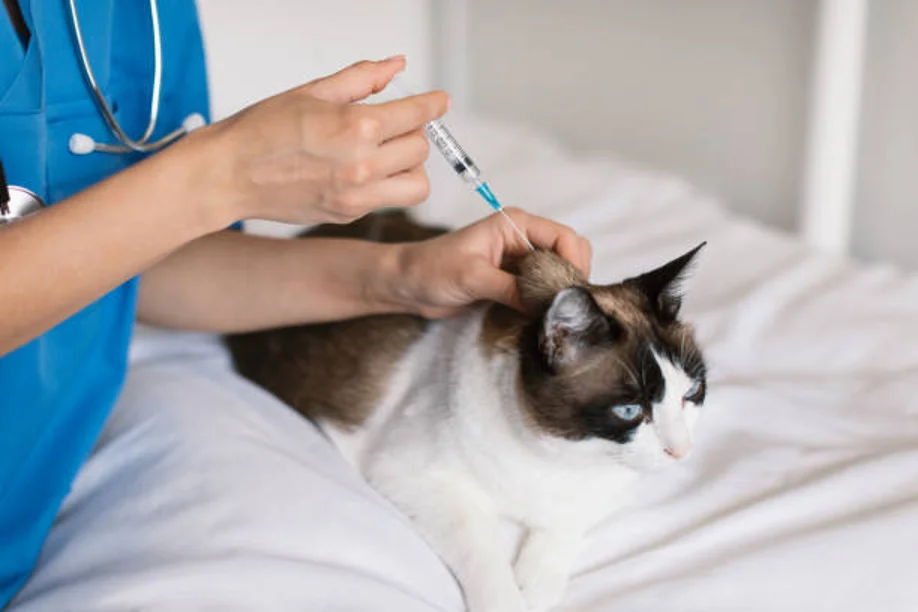
Vets are able to take a thorough history, perform a full physical exam and carry out many diagnostic tests including blood tests, urine sampling, blood pressure checks and sometimes imaging (depending on the tools available to your vet).
Home visit vets are also able to prescribe medication, microchip pets, perform bandage or dressing changes, and some can issue health certificates and passports.
Should prescribed calming medication be discussed in advance?
If you think your cat would benefit from calming medicine, let your vet know when you book the appointment. They will usually want you to give this the day before and morning of the appointment.
It is quite commonplace in the UK now, to prescribe calming medicine such as Gabapentin. This can help a cat feel much calmer and more amenable to being restrained and checked over. This is not a full sedation, but is a powerful calming agent.
How should owners prepare the room?
Choose a room where you can have some privacy and that is quiet and calm. If you can, set up a table or flat surface that could work as a consulting table. Close off any escape roots, like open doors. Place your pet’s favourite blanket or towel on the surface, so they feel more comfortable.
For anxious kitties, you can get a pheromone spray (such as Feliway) to spray in the room or on their blanket. Another option would be a pheromone plug-in, that can be placed in the ‘consulting’ room at least one day before.
Can a vet do everything from home that they could do in a clinic?
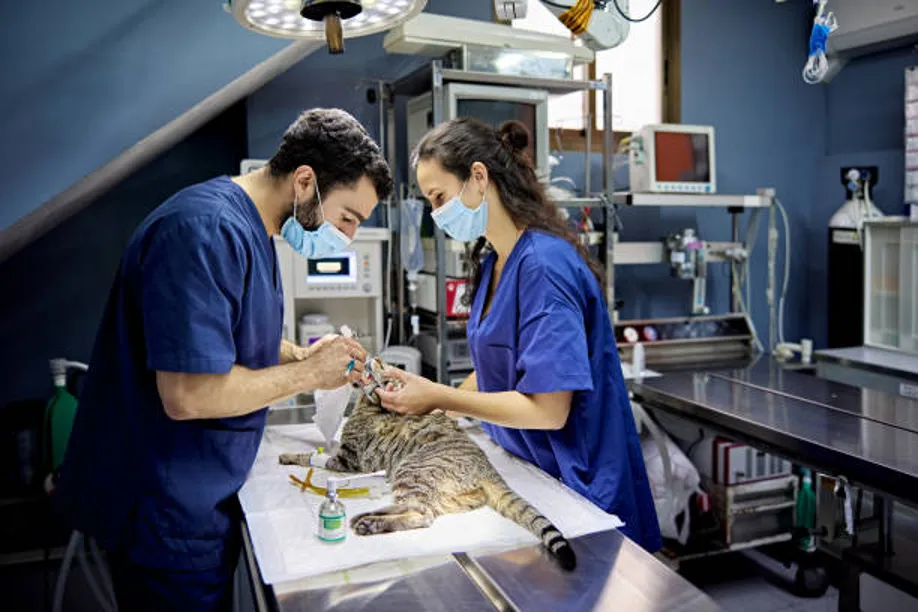
While vets can do a great deal from home, there are certain things that cannot be done out of the clinic. Not all vets can perform imaging from home, and all but very basic surgical procedures must be carried out in the veterinary hospital.
In emergency situations, it is sometimes more appropriate to bring your cat directly to the hospital. This can be the case, for example, if the animal is in respiratory distress or if they have been hit by a vehicle.
Is it possible to have my cat put to sleep at home?
A home-visit euthanasia is a very popular choice for cat owners. Allowing your cat to stay in a familiar place and avoiding having to put them in a carrier and transporting them, allows for a calm and peaceful experience in their final hours.
After your cat has been put to sleep, you have the option of burying them at home or of having them cremated. If you opt for cremation, your vet would usually be able to transport the cat back with them in the practice car, or they can arrange for the crematorium to carry out the collection.
Frequently Asked Questions
Is a home visit for cats the better option?
If your cat will not go in the carrier or gets very anxious while being transported or at the clinic, a vet visit from home can be a much more tranquil experience for all involved. These visits work well for things like vaccines and prescription checks, though may not be appropriate for all situations.
Can a vet see my kitten at home?
Usually kittens can be seen during home visits, yes. Many breeders choose this option, to avoid having to transport whole litters for their check ups and vaccinations. However, a very poorly kitten may need to be kept in the hospital for ongoing care.
What if my cat hates the vet?
Many cats are fearful of vets and will act stressed or aggressive during a consultation. If your cat is scared of the vet, you may find they cope better during home visits. For very worried cats, ask your vet about the option of calming medicine which can be given beforehand.